
The first question
What should this opening do?
Every event starts somehow. It can be as simple as changing the music, dimming the lights and bringing the first speaker on stage. It can begin with an intro film, a voice-over or a story told through images. Or it can become a live experience where media, music, light and performance come together.
There is no single formula for a great opening. Should it energize the audience? Create scale? Give a CEO a spectacular entrance? Or create emotion and make people think? The answer defines the music, timing, visuals, performers and technology.
Think of your opening as a headline
A good headline captures the essence and makes you want to know what comes next. An opening should do the same.
Keep it short. Make it precise. Give it a clear intention.
Don't fill five or ten minutes. Create the right moment — a multimedia headline for everything that follows.
01 — Put what matters at the center
Start with what the event is really about: the brand, product, technology or message. Then give it an active role instead of simply adding a logo.
Example: The room loses power. A performer enters and approaches the company's controller. One adjustment changes the sound; another brings the entire room to life.
Don't just show what matters. Make it do something.
02 — Build one moment, not more minutes
Impact comes from timing, not length. Start with one simple element — darkness, sound, movement or light — and build towards a moment where everything comes together.
Don't fill time. Build towards a moment.
03 — Bring a human on stage
Film can tell a story and media can build a world. But a real person turns that emotion into a live moment. Connect the content to a performer, moderator or speaker and create a natural bridge into the event.
Media creates the world. A person makes it live.
04 — Make the digital world physical
Let performers interact with animation. Let light or objects move between screen and stage. The strongest effects happen when the audience stops noticing the technology and simply experiences the impossible.
Use technology to create magic — not to demonstrate technology.
05 — Design the handover
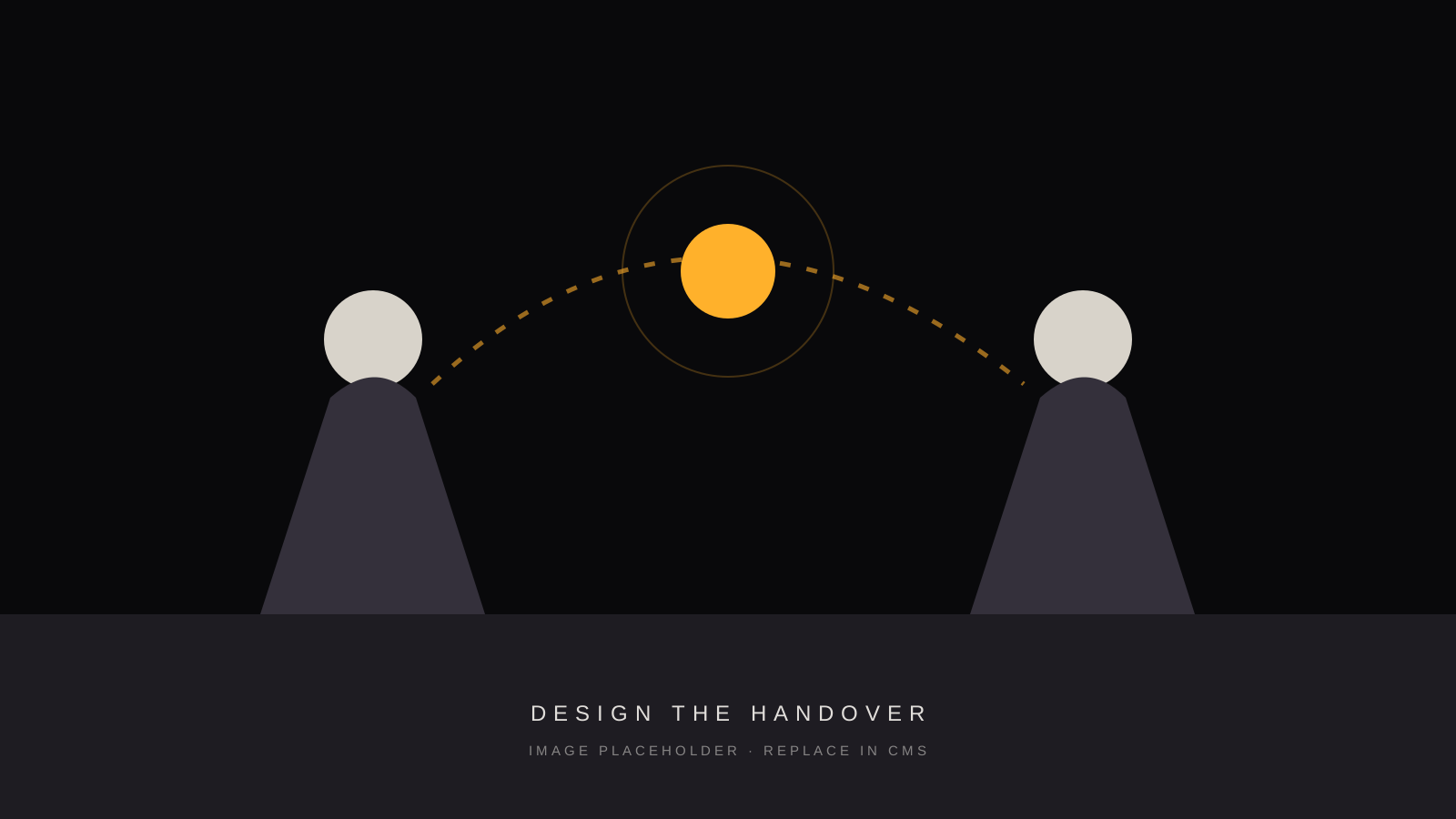
Plan the final seconds of the opening together with the first seconds of what comes next. A performer throws a light and the CEO catches it. A person disappears from the screen and appears live. A final impact reveals the next speaker.
The opening shouldn't stop. It should become what happens next.
06 — Create a red thread
A light, object, sound or gesture introduced in the opening can return later and connect different parts of the event. The moderator might catch a light from the performer, put it into a pocket — and bring it back later to open the next chapter.
Don't just open the event. Give it a thread to follow.
"Where should the audience be — emotionally and physically — when the opening is over?"
